
Blog Details
House Cladding in Saudi Arabia: Types, Benefits and How to Choose the Right Exterior Finish
By GBT Author • 9/15/2026
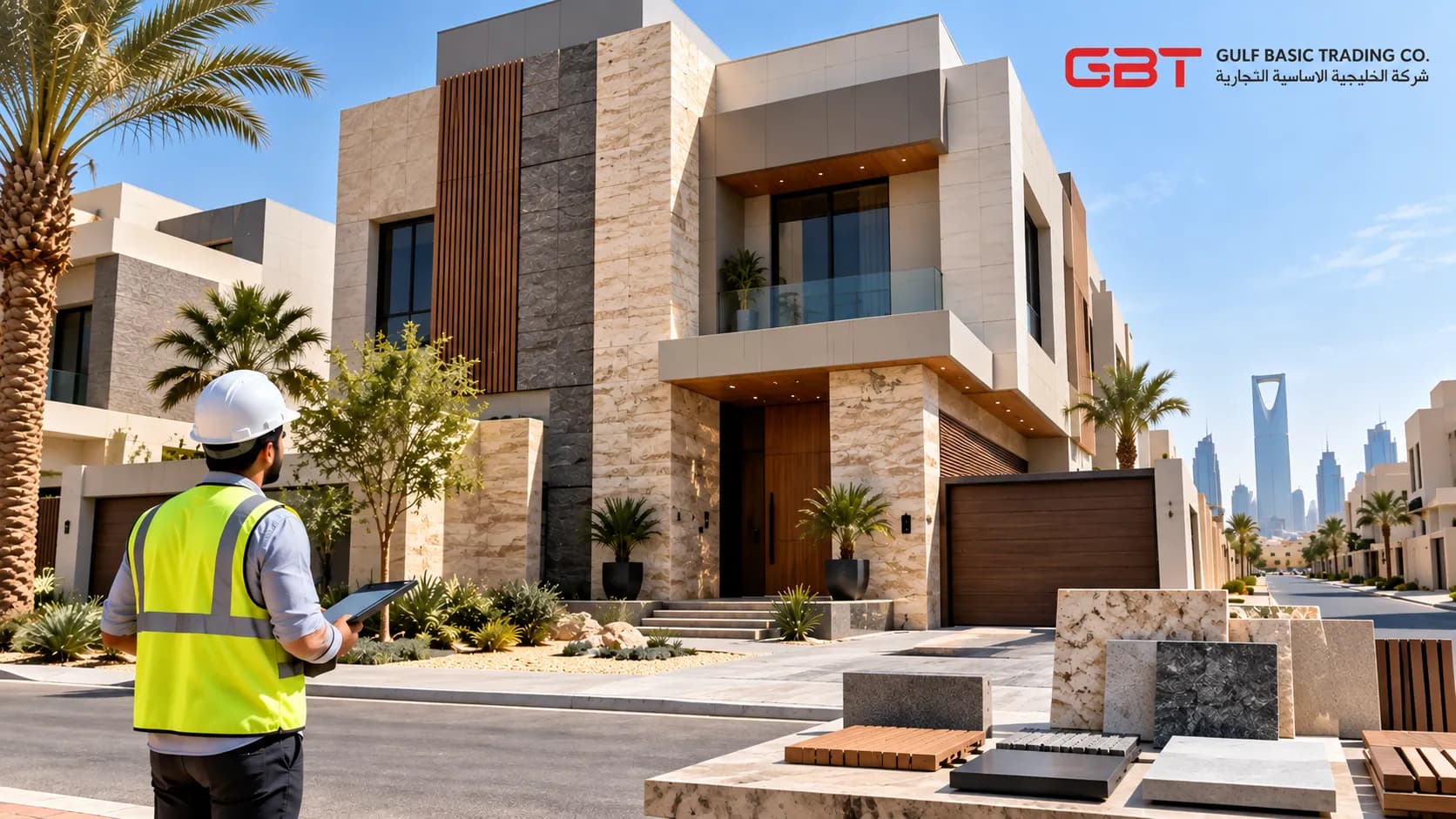
If your home's exterior fades, cracks, or overheats faster than expected, the right house cladding in Saudi Arabia can provide an added layer of protection. Cladding is the outer skin applied over a wall to protect it from sun, sandstorms, and humidity swings while giving the facade its final look. Homeowners and contractors across Riyadh, Jeddah, and the Eastern Province are increasingly specifying cladding early in the design phase rather than treating it as a cosmetic afterthought, and material suppliers like Gulf Basic Trading have seen steady demand shift toward durable, low-maintenance options suited to Saudi conditions.
What Is House Cladding and Why It Matters in Saudi Arabia's Climate
Cladding sits between the raw structural wall and the outside world. In most of the Kingdom, that wall faces temperatures above 45°C, intense UV exposure, and periodic haboobs carrying abrasive dust. A poorly chosen finish can crack, discolor, or trap heat within a few seasons. The right exterior cladding system can help manage solar heat gain and protect the building envelope when properly specified and installed.
Popular Types of House Cladding in Saudi Arabia
Natural stone cladding – limestone or sandstone veneer gives villas a timeless, upscale look and handles heat well, though it carries a higher upfront cost and installation time.
Aluminum composite panels (ACP) – lightweight and available in a wide range of finishes, ACP is commonly used for modern facades and is relatively easy to clean and maintain.
GRC (Glass Reinforced Concrete) panels – popular for villas and government buildings wanting ornamental or geometric detailing without the weight of solid stone.
Stucco finish – a traditional, budget-friendly option made from cement, sand, and water; it performs reasonably well in heat but needs more frequent maintenance in coastal humidity.
Wood-look composite cladding – used sparingly as an accent rather than a full facade, since real wood struggles in direct desert sun.
Benefits of Quality Exterior Cladding for Saudi Homes
A well-matched cladding for hot climate houses does more than look good. It lowers indoor heat gain, which can ease the load on air conditioning during peak summer months. It also shields the structural wall from moisture cycling near coastal cities like Jeddah and Dammam, and it extends the interval between repaint or repair jobs. For resale value, a clean, modern facade is often the first thing a buyer notices. A well-maintained facade can also improve a property's visual appeal and overall presentation.
How to Choose the Right Cladding for Your Home in KSA
Start with climate exposure: inland desert heat calls for different priorities than coastal humidity. Next, weigh maintenance requirements based on the material, finish, and local exposure. Budget matters too; stucco and mid-range ACP suit most residential projects, while stone and GRC suit premium builds. Finally, confirm the supplier can back material specifications with proper certification and consistent stock, since delays or inconsistent batches are a common cause of facade mismatches on Saudi sites. Gulf Basic Trading's product catalog includes cladding and finishing materials for residential and construction projects across Saudi Arabia.
The team can also help you explore suitable options based on your building type and budget through the contact page.
For a broader look at facade options beyond cladding, our earlier guide on common building materials and interior finishes in Saudi Arabia covers complementary choices worth comparing.
Frequently Asked Questions
What is the best cladding material for hot climates like Saudi Arabia?
Aluminum composite panels and natural stone generally perform well in hot climates, offering strong heat and UV resistance with relatively low long-term maintenance.
How much does house cladding cost in Saudi Arabia?
Costs vary widely by material, product specification, installation method, and area covered. Stucco is generally more budget-friendly, while natural stone and GRC are typically positioned at the premium end. Getting a quote based on your facade size and selected material gives the most accurate figure.
Is stone cladding better than aluminum cladding for villas?
Stone offers a classic, high-end look with excellent durability; aluminum is lighter, faster to install, and easier to maintain. The better choice depends on style preference and budget.
Can cladding help reduce heat inside a house?
Yes. Depending on the material and wall assembly, an exterior cladding system can help reduce solar heat gain and protect the building envelope. Insulation, ventilation, shading, and proper installation remain important for overall thermal performance.
How long does exterior cladding last in Saudi weather?
Service life varies by material, product specification, installation quality, exposure, and maintenance. Stone and properly specified metal systems can offer long service life, while finishes such as stucco may require periodic maintenance or refinishing depending on site conditions.
Can cladding be installed on an existing house?
Yes. Many cladding systems can be retrofitted onto existing facades, provided the wall condition, load capacity, moisture protection, fixing method, and structural requirements are suitable.
Final Thoughts
If you're planning a facade upgrade or a new build, reviewing your options against Saudi Arabia's climate conditions early can save on maintenance costs down the line. The right cladding should balance durability, thermal performance, appearance, maintenance requirements, and budget. Browse available materials in the Gulf Basic Trading catalog or get in touch for guidance on the right cladding for your project.
Call Us Now !
Drop Us a Line