
Blog Details
Sustainable Building Materials in Saudi Arabia: Top Picks for Vision 2030 Projects
By GBT Author • 4/20/2026
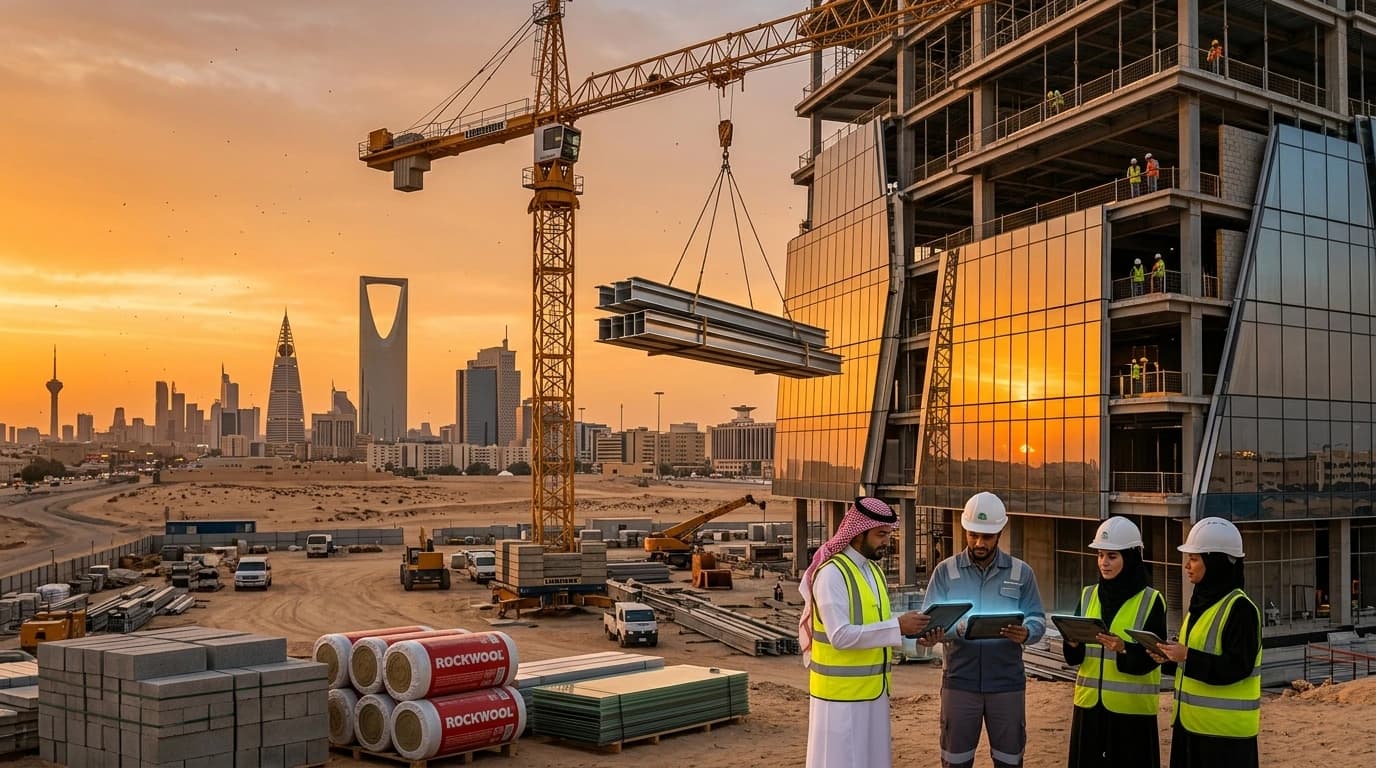
Top sustainable construction materials in saudi arabia for vision 2030 development projects
Sustainable building materials in Saudi Arabia include recycled steel, low-carbon concrete, insulated panels, solar-integrated systems, and energy-efficient glazing. These materials reduce environmental impact, improve energy efficiency, and align with Vision 2030 goals for greener infrastructure, making them essential for modern construction projects across the Kingdom.
Understanding Sustainable Building Materials
Sustainable building materials are designed to minimize environmental impact while maintaining durability and performance. In Saudi Arabia, where climate conditions are extreme and energy demand is high, these materials play a critical role in reducing heat gain, energy consumption, and long-term operational costs.
Simply put, they help build structures that are:
- Energy-efficient
- Environmentally responsible
- Cost-effective over time
Why Sustainable Materials Matter in Vision 2030
Saudi Arabia’s Vision 2030 is driving a shift toward sustainable urban development, including mega-projects, smart cities, and green infrastructure.
Key Reasons for Adoption
- Energy Efficiency: Reduces cooling costs in hot climates
- Environmental Impact: Lowers carbon emissions
- Regulatory Compliance: Meets evolving building codes and sustainability standards
- Long-Term Savings: Reduces maintenance and operational costs
Sustainability is no longer optional — it is becoming a core requirement in modern construction across the Kingdom.
Top Sustainable Building Materials in Saudi Arabia
1. Recycled Steel
Recycled steel is widely used in structural applications due to its strength and reusability.
Benefits:
- Reduces raw material consumption
- High durability
- Supports circular economy
2. Low-Carbon Concrete
Traditional concrete has a high carbon footprint. Low-carbon alternatives reduce emissions by using supplementary materials like fly ash or slag.
Use Cases:
- Foundations
- Infrastructure projects
- High-rise buildings
3. Insulated Panels (PUF Panels)
Pre-insulated panels improve thermal performance and reduce energy consumption.
Advantages:
- Excellent insulation
- Faster construction
- Lower HVAC costs
4. Energy-Efficient Glass (Double/Triple Glazing)
Glass with insulation properties reduces heat transfer, making buildings more energy efficient.
Best For:
- Commercial buildings
- Offices
- Smart city projects
5. Solar-Integrated Materials
Solar panels and building-integrated photovoltaics (BIPV) support renewable energy adoption.
Impact:
- Reduces electricity dependence
- Supports net-zero goals
6. Eco-Friendly Insulation Materials
Materials like rock wool and glass wool improve energy efficiency and fire resistance.
7. Low-VOC Paints and Finishes
Low-emission paints improve indoor air quality and reduce environmental impact.
How to Choose the Right Sustainable Materials (Step-by-Step)
Step 1: Understand Project Requirements
Identify:
- Type of building (residential, industrial, commercial)
- Environmental goals
- Budget constraints
Step 2: Evaluate Climate Suitability
Saudi Arabia’s climate requires materials that:
- Resist heat
- Improve insulation
- Reduce energy usage
Step 3: Check Certifications and Standards
Look for compliance with:
- Saudi building regulations
- International sustainability standards
Step 4: Compare Lifecycle Costs
Don’t focus only on the initial cost. Consider:
- Energy savings
- Maintenance costs
- Longevity
Step 5: Work with Reliable Suppliers
Choose suppliers who:
- Offer certified materials
- Provide technical support
- Ensure consistent supply
Once you follow these steps, you can confidently select materials that balance sustainability, performance, and cost.
Real-World Examples
Example 1: Smart City Projects
Large developments in Saudi Arabia are using insulated panels and solar systems to reduce energy consumption and meet sustainability targets.
Example 2: Commercial Buildings
Office buildings are adopting energy-efficient glass and low-VOC materials to improve indoor comfort and reduce operational costs.
Example 3: Industrial Facilities
Factories are increasingly using recycled steel and insulated roofing systems to improve efficiency and durability.
Benefits of Using Sustainable Materials
- Lower energy consumption
- Reduced environmental impact
- Improved building performance
- Higher long-term ROI
- Better compliance with regulations
FAQs
What are sustainable building materials?
Sustainable building materials are eco-friendly materials designed to reduce environmental impact, improve energy efficiency, and support long-term building performance.
Why are sustainable materials important in Saudi Arabia?
They help reduce cooling costs, lower carbon emissions, and align with Vision 2030 sustainability goals.
Are sustainable materials more expensive?
They may have higher upfront costs, but they offer long-term savings through reduced energy and maintenance expenses.
What is the most commonly used sustainable material?
Recycled steel and insulated panels are among the most widely used sustainable materials in Saudi Arabia.
Do sustainable materials meet Saudi regulations?
Yes, most certified sustainable materials comply with Saudi building codes and international standards.
Can sustainable materials be used in all types of projects?
Yes, they are suitable for residential, commercial, and industrial construction projects.
Final Thoughts
Sustainable building materials are shaping the future of construction in Saudi Arabia. As Vision 2030 continues to drive innovation and environmental responsibility, adopting these materials is essential for long-term success.
Choosing the right materials not only improves project performance but also contributes to a more sustainable and efficient built environment.
Call Us Now !
Drop Us a Line